
The Small Business & Retail Revolution
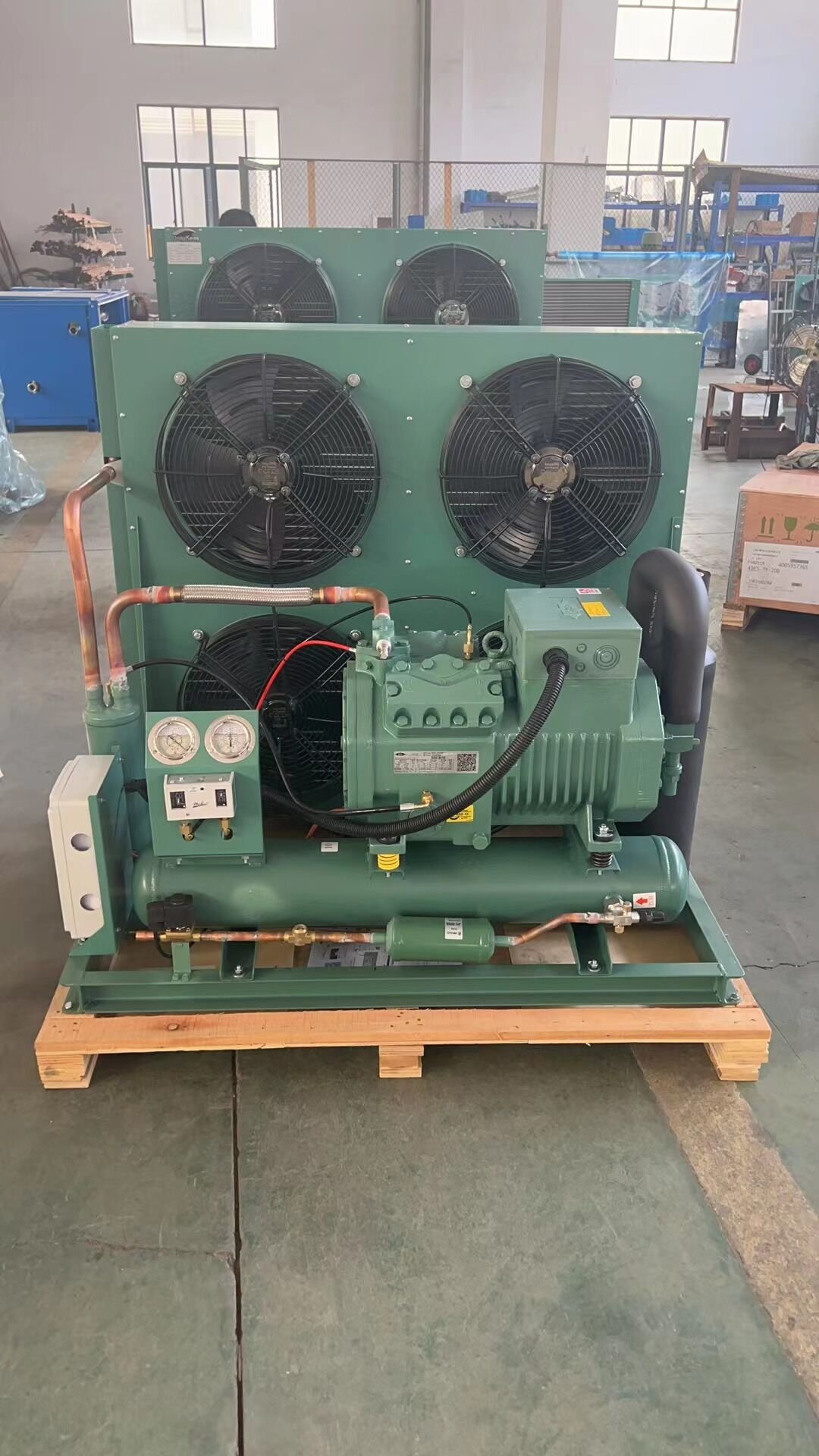
Walk into any modern boutique coffee shop, and you’ll feel it. That perfect, consistent chill keeping the pastries fresh and the specialty drinks cold. This isn’t your grandfather’s walk-in cooler. Today’s craft beverage vendors, boutique grocers, microbreweries, and florists demand precision. They need cooling units that are compact, energy-sipping quiet, and reliable enough to protect their high-margin, often artisanal, inventory.
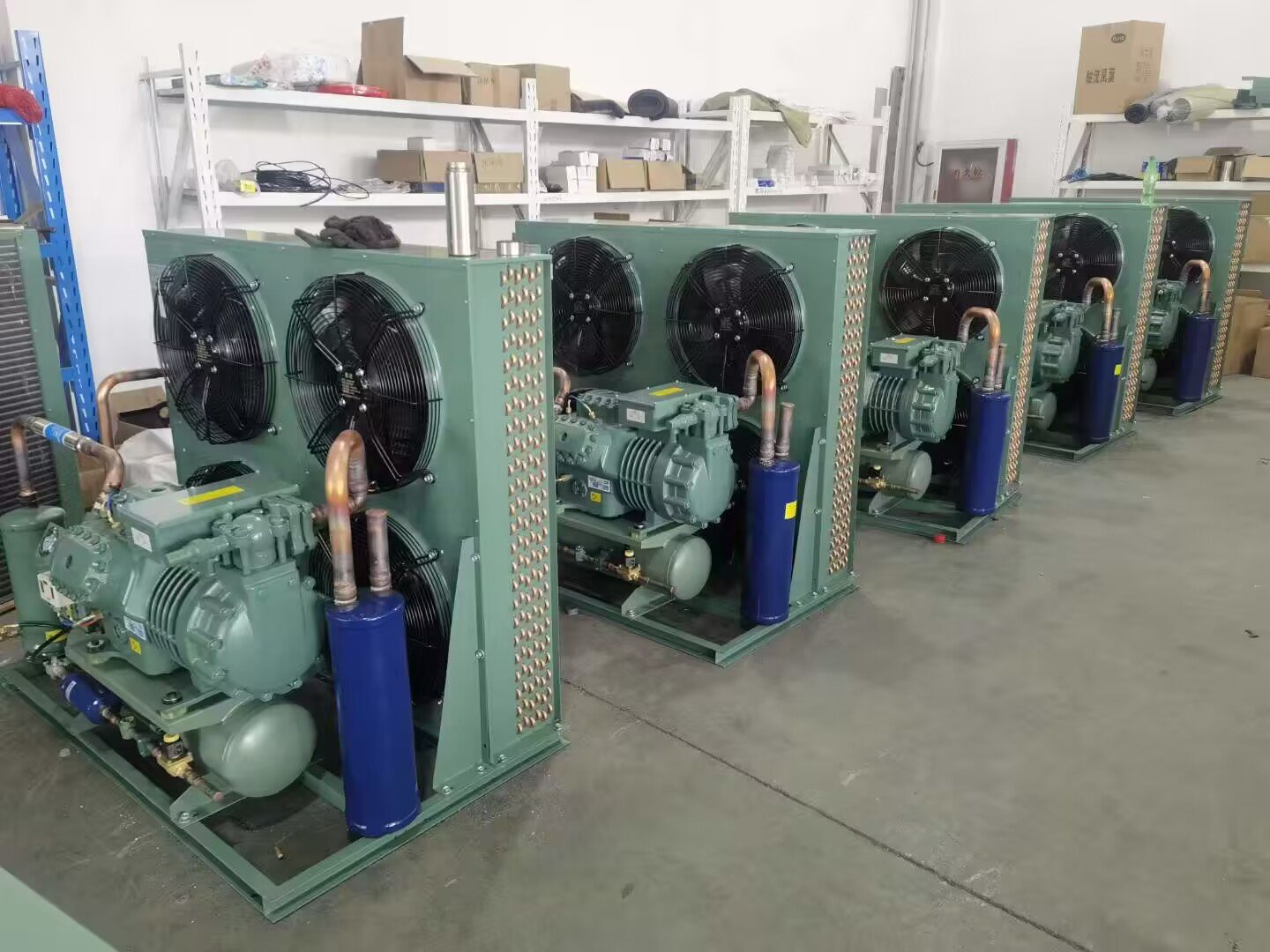
For B2B dealers, this is a goldmine. The global commercial refrigeration market for small and medium businesses is projected to reach $42.1 billion by 2027, growing at a steady CAGR of 4.8%. The driver? The explosive growth of specialty retail and the “experience economy.” A craft brewery can’t afford a temperature fluctuation that ruins a batch of IPA. A sushi vendor’s entire reputation hinges on flawless fish preservation.
The building block here is the modular, high-efficiency condensing unit. Think scalable systems. A dealer might start a client with a basic setup for a gelato case, but the real play is designing for growth. Can the system integrate a second cold display when the business expands? Is the compressor designed for the high-ambient temperatures of an open-air market stall? The key selling points are adaptability, low total cost of ownership (TCO), and silent operation. Noise matters in a small retail space where ambiance is part of the product.
| Application | Key Cooling Challenge | Our Unit’s Targeted Feature | Dealer Upsell Opportunity |
|---|---|---|---|
| Specialty Coffee Shop | Multiple temps needed (milk, pastries, beans). | Dual-zone precision control (±0.5°C). | Integrated humidity control for bean storage. |
| Urban Florist | High heat load from lights; delicate petals. | Enhanced airflow design; gentle cooling cycles. | Hybrid system with backup for weekend events. |
| Pharmacy/Vaccine Storage | Absolute temperature stability & compliance logging. | Medical-grade compressors with data output ports. | Remote monitoring service contracts. |
Cooling on the Move: The Mobile & Temporary Sector
Cooling doesn’t always happen in a fixed location. Imagine a high-end catering company servicing a wedding in a vineyard, a mobile molecular biology lab, or a pop-up boutique selling truffles. Mobility demands robustness and power flexibility. This is where a “crafty” cooling unit transforms from a utility to a business enabler.
The core technology shift is towards DC (direct current) compressor systems and robust construction. These units must withstand the vibrations of a moving vehicle, operate efficiently off battery banks or solar panels, and maintain set points even when ambient conditions swing wildly. For exporters, understanding regional power standards—12V/24V/48V DC systems, for instance—is critical.
The data speaks to the opportunity: The mobile refrigeration market for commercial applications is seeing over 7% annual growth, fueled by the boom in food trucks, mobile medical clinics, and last-mile delivery of perishable pharmaceuticals. A distributor in the Middle East might focus on units optimized for extreme heat and dust for mobile military kitchens. A dealer in Scandinavia might specialize in cold-climate versions for Arctic research trailers.
The conversation with a B2B client here is about durability specs and mean time between failures (MTBF). What is the shock rating of the compressor mounting? Are the electrical connections waterproof and corrosion-resistant? Providing real-time data from similar deployments—like a unit consistently performing in the Australian outback at 45°C—builds immense trust.
Demanding Environments: Beyond the Standard Warehouse
Not all cooling happens in a clean, climate-controlled back room. Some of the most lucrative and loyal B2B clients operate in punishing conditions. Think of mining camps in Chile needing to cool both worker accommodations and sensitive electronic equipment in control rooms. Or textile factories in South Asia where cotton storage requires strict humidity and temperature control amidst incredible airborne dust.
Building a cooling unit for these environments means over-engineering for resilience. Components are coated to resist chemical or salty air corrosion. Air filters are heavy-duty and easily accessible for frequent cleaning. Condensers are designed to shed dust and debris efficiently. The control systems are often simplified and ruggedized, with physical buttons that can be operated with gloves.
For a global distributor, this is about vertical specialization. Becoming the go-to expert for “cooling in harsh environments” opens doors to industries like maritime (on-board galley and provision cooling), agriculture (seed storage in tropical climates), and telecommunications (cooling outdoor cabinet enclosures for 5G equipment). The value proposition shifts from mere price to total cost of failure avoidance. A broken cooler in a remote location can halt a multi-million dollar operation. Reliability isn’t a feature; it’s the product.
Recent data from industrial projects shows that nearly 30% of HVAC system failures in harsh environments are due to contaminant ingress and corrosion. Units specifically designed with IP56 ratings or higher for dust and water resistance, and using coated copper tubes and anti-corrosion fin stock, directly address this costly pain point for end-users, making them an easy justify for B2B buyers.
Professional Q&A for B2B Dealers
Q: Our client is a pharmaceutical distributor in Southeast Asia. They are concerned about power reliability affecting vaccine storage. What should we highlight?
A: Focus on two core features: Extended Holdover Time and Dual-Power Compatibility. Specify the unit’s exact duration (in hours) to stay within the safe temperature range during a power outage, based on lab test data. Secondly, promote models with automatic switch-over between grid power and a backup generator input. Provide case studies from similar climate regions to prove performance.
Q: We have customers asking about the real energy savings of variable-speed compressors vs. traditional fixed-speed in commercial settings. What’s a convincing data point?
A: Move beyond the standard “up to 30% more efficient” claim. Offer a TCO Calculator. Based on local energy costs (input kWh price), average ambient temperature, and duty cycle, show the annual savings. For example: “For a 24/7 walk-in cooler in Southern Europe, our VSC model shows an average annual energy cost reduction of €1,200 compared to a fixed-speed unit. This means the premium is recouped in under 14 months.”
Q: How do we handle the “cheaper unit from a different supplier” objection?
A: Don’t just talk about quality. Quantify failure risk. Share anonymized data on mean time between failures (MTBF) for your units versus industry average for standard units. Frame it as insurance: “A compressor failure can mean €5,000+ in lost inventory for your client, plus emergency service costs. Our units have a documented 40% lower annualized failure rate. The slightly higher upfront cost directly mitigates that business risk.” Offer a standard warranty extension to seal the deal.