
Cross-Industry Guide: Installing Your Commercial Cooling Wall Unit for Peak Performance
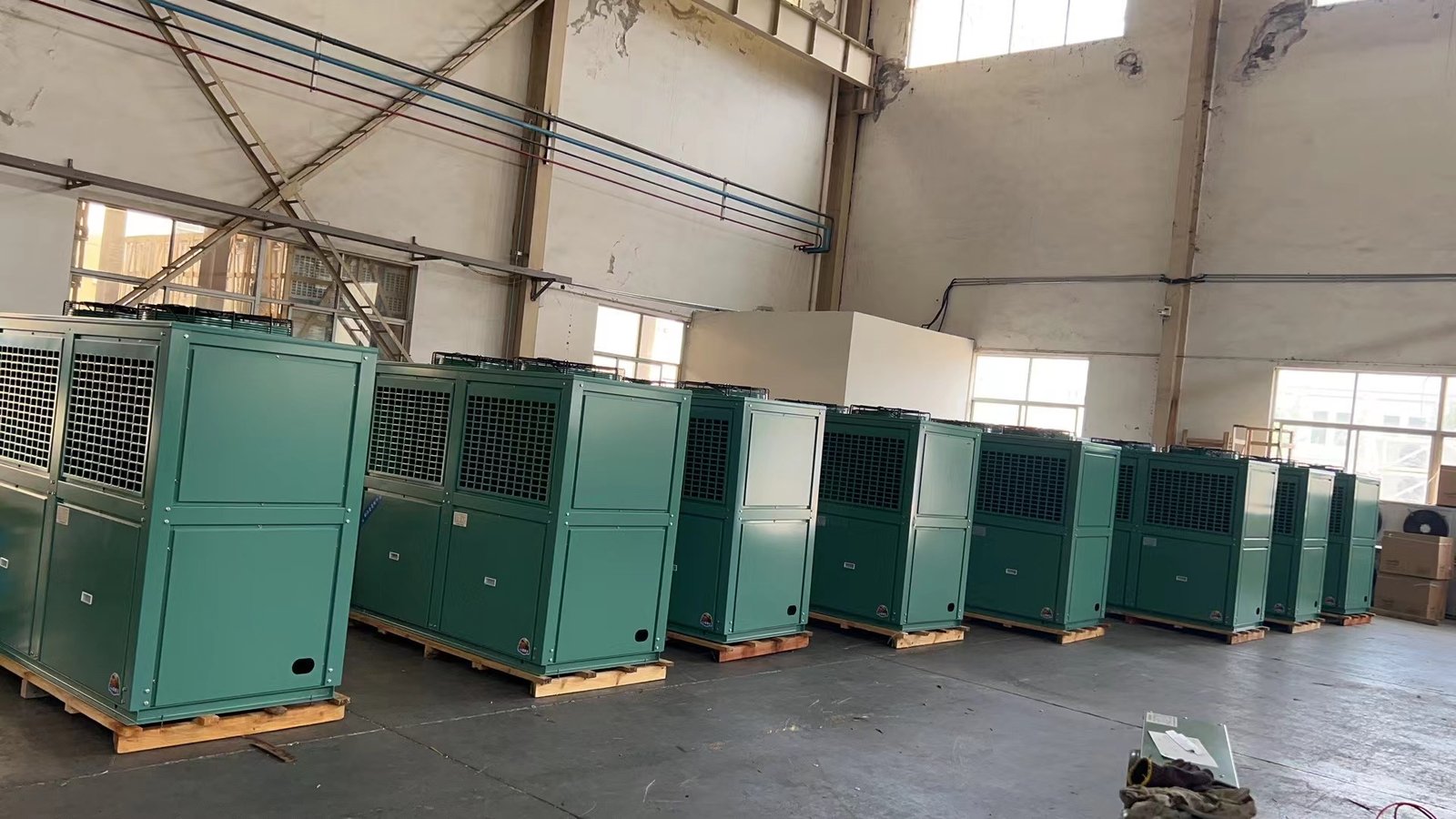
Forget one-size-fits-all. Whether you’re a hotel manager, a server room admin, or a restaurant owner, a cooling wall unit is a critical piece of your operational backbone. A proper installation isn’t just about getting it to run; it’s about maximizing efficiency, lifespan, and ROI. Let’s break down the installation process with a sharp focus on the why behind each step for different commercial settings.
Pre-Installation: Site Assessment & Selection is 90% of the Battle
You wouldn’t pour a foundation without a survey. Don’t install a cooling unit without a thorough site audit. This step varies massively by industry.
- For Hospitality (Hotels, Offices): Noise is the enemy. Prioritize units with low external sound levels (aim for <55 dB(A) in spec sheets) and plan the outdoor condenser placement away from guest balconies and relaxation areas. Measure the exact room dimensions, but more importantly, consider occupancy and heat load from electronics (minibars, TVs, lighting). A standard 12,000 BTU/h unit might cool a 30 sqm empty room, but add two guests and their gadgets, and you’re underpowered.
- For IT & Telecom Closets: Cooling is about precision, not just comfort. The heat load is calculated in Watts per equipment rack, not room size. You need a unit with precise temperature and humidity control. Placement is critical for airflow—directly facing or aligned with the hot aisle of a server rack. Redundancy planning (installing a backup unit) is common here.
- For Food Service (Kitchens, Storage): Grease and condensation are killers. Specify units with robust anti-corrosion coatings (like epoxy-coated coils) and easy-clean filters. In walk-in cooler prep rooms, you need a unit that can handle low ambient temperatures to prevent freeze-ups. The location must avoid direct grease exposure from hoods.
| Key Selection Data (2024 Market Standard): | Factor | Hospitality/Office | IT/Telecom | Food Service |
|---|---|---|---|---|
| Primary Concern | Guest comfort, Low Noise | 24/7 Precision, Reliability | Hygiene, High Moisture/Grease | |
| Key Spec Focus | Low Sound Level, EER/SEER | Sensible Cooling Capacity, Redundancy | Anti-Corrosion Build, Easy Access | |
| Typical Capacity | 9,000 – 24,000 BTU/h | Based on kW server load | 12,000 – 36,000 BTU/h | |
| Special Feature | Sleep Mode, Quiet Operation | Alarm Integration, Humidification | Washable Filters, Heavy-Duty Fans |
The Installation Blueprint: Step-by-Step Execution
Here’s the universal core process, with industry-specific callouts.
1. Mounting the Indoor Unit. The wall must be structurally sound—concrete or solid brick is ideal. For drywall in offices, you must locate and bolt into the studs. Use the provided template. The unit must be perfectly level to ensure condensate drains properly. Pro Tip: Install it high on the wall for optimal air distribution, but ensure at least 15cm clearance from the ceiling for airflow and future servicing. In a restaurant kitchen, position it away from immediate splash zones but where it can effectively counteract the heat from cooking lines.
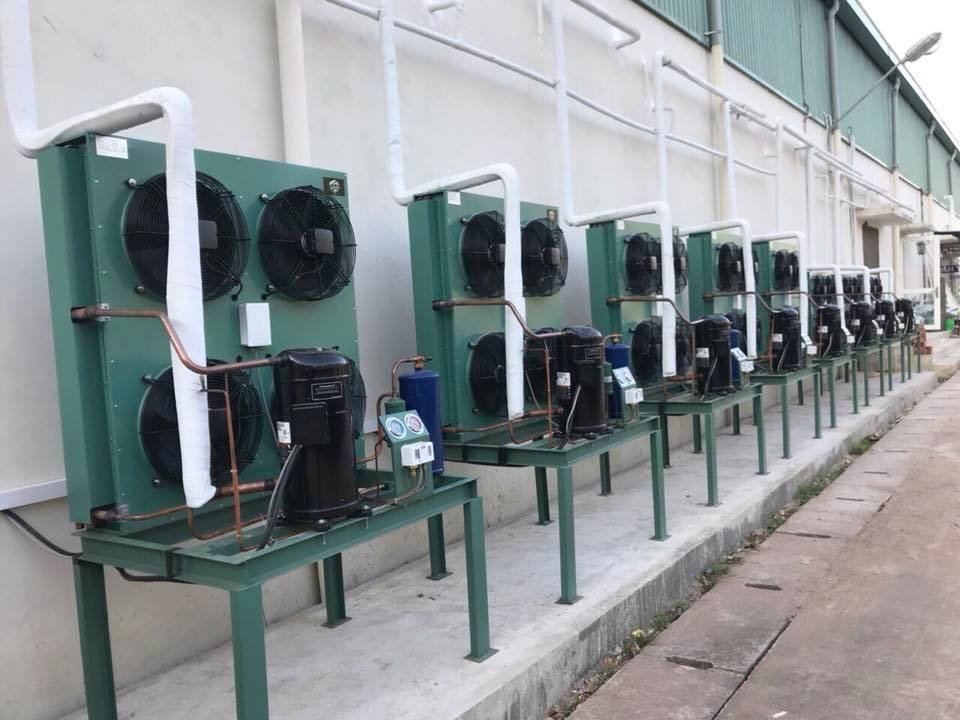
2. Installing the Outdoor Condenser. This is where many projects falter. The pad (concrete or composite) must be perfectly level and vibration-isolated. Allow a minimum of 30cm clearance on all sides for airflow—more is better. In crowded urban settings (hotel back-alleys, city restaurants), consider overhead mounting brackets. For IT sites, ensure the condenser’s exhaust isn’t recirculating into a fresh air intake, creating a short-cycle that kills efficiency. Always secure the unit against high winds with bolts or straps.
3. Connecting Refrigerant Lines & Drainage. This is licensed HVAC technician territory. They will:
- Run the insulated copper linesets (pre-sized for length to avoid performance drop).
- Perform a pressure test with an inert gas (like nitrogen) to check for leaks—non-negotiable.
- Pull a deep vacuum on the system (below 500 microns) to remove moisture and air. This single step prevents 80% of future compressor failures.
- Slope the condensate drain line downward at least 1% and route it to a suitable drain. In cold environments, add a drain line heater tape.
4. Electrical Connections. Follow local code to the letter. This means a dedicated circuit, correct wire gauge (see manufacturer specs), and a proper disconnect switch within sight of the outdoor unit. For high-availability IT sites, integrate the unit’s power into the UPS/generator backup system. Data Point: A 24,000 BTU/h unit typically draws 8-12 amps at 230V. Under-sizing the wire is a fire risk and efficiency killer.
5. Commissioning & System Check. The technician releases the correct charge of refrigerant (R410A is still common, but R32 is the newer, lower-GWP standard), measures superheat/subcooling, and starts the system. They will verify:
- Cooling/heating output.
- Temperature split (typically 8-12°C between intake and outlet air).
- Correct condensate flow.
- All electronic controls and remote functions work.
Post-Installation: What You & Your Client Need to Verify
Handing over the keys isn’t the end. For a B2B dealer, this is where you build trust.
- Provide Clear Documentation: Don’t just hand over the manual. Create a one-page summary with maintenance schedules, filter cleaning instructions (with photos!), and emergency contact info.
- Conduct a Client Walkthrough: Show the staff how to clean the filters, reset the unit, and understand basic error codes. For a hotel, this might be the head of maintenance. For a small restaurant, it might be the owner.
- Log the Installation Data: Record the model, serial numbers, installation date, refrigerant charge, and vacuum levels. This is gold for future warranty claims and troubleshooting.
Professional Q&A
Q: We install units in older European buildings with thick stone walls. What’s the maximum practical lineset length we can run without significant efficiency loss?
A: While many units are rated for linesets up to 30 meters, for optimal performance and to avoid refrigerant oil return issues, we recommend keeping runs under 20 meters for standard installations. For longer runs, you must oversize the lineset diameter (consult the manufacturer’s engineering manual) and possibly add a crankcase heater. Every extra meter beyond 10 reduces capacity by about 0.5-1%.
Q: For a chain of cloud kitchens, hygiene is paramount. Are there specific cooling wall unit features that meet food safety regulatory standards?
A: Absolutely. Look for units with fully enclosed, smooth exterior cabinets that prevent dust and pest ingress. Antimicrobial-coated filters and evaporator coils are available. Most critically, ensure the internal drip pans are made of stainless steel and are easily accessible for cleaning and inspection, which is often a health code requirement.
Q: Our B2B clients are increasingly asking about smart features and integration. What’s the real value for commercial settings?
A: Beyond convenience, it’s about energy management and predictive maintenance. Units with MODBUS or BACnet integration can tie into a building’s BMS, allowing for centralized scheduling (turning off in unused office spaces) and load monitoring. Smart units can alert facility managers via email for filter replacement needs or abnormal temperature shifts, preventing downtime in a server room or food storage area. This data is invaluable for your clients’ operational budgets.