
Cross-Industry CDU Installation: From Data Centers to Manufacturing Floors
So, you’ve got a CDU, or Cooling Distribution Unit, heading your way. Maybe it’s destined for a humming data center, a sterile pharmaceutical lab, or a busy automotive plant. While the core job—moving chilled water to cool critical equipment—is the same, the “how” and “where” change dramatically across different industries. Let’s cut the fluff and talk about what really matters during installation, tailored to the environment you’re operating in.
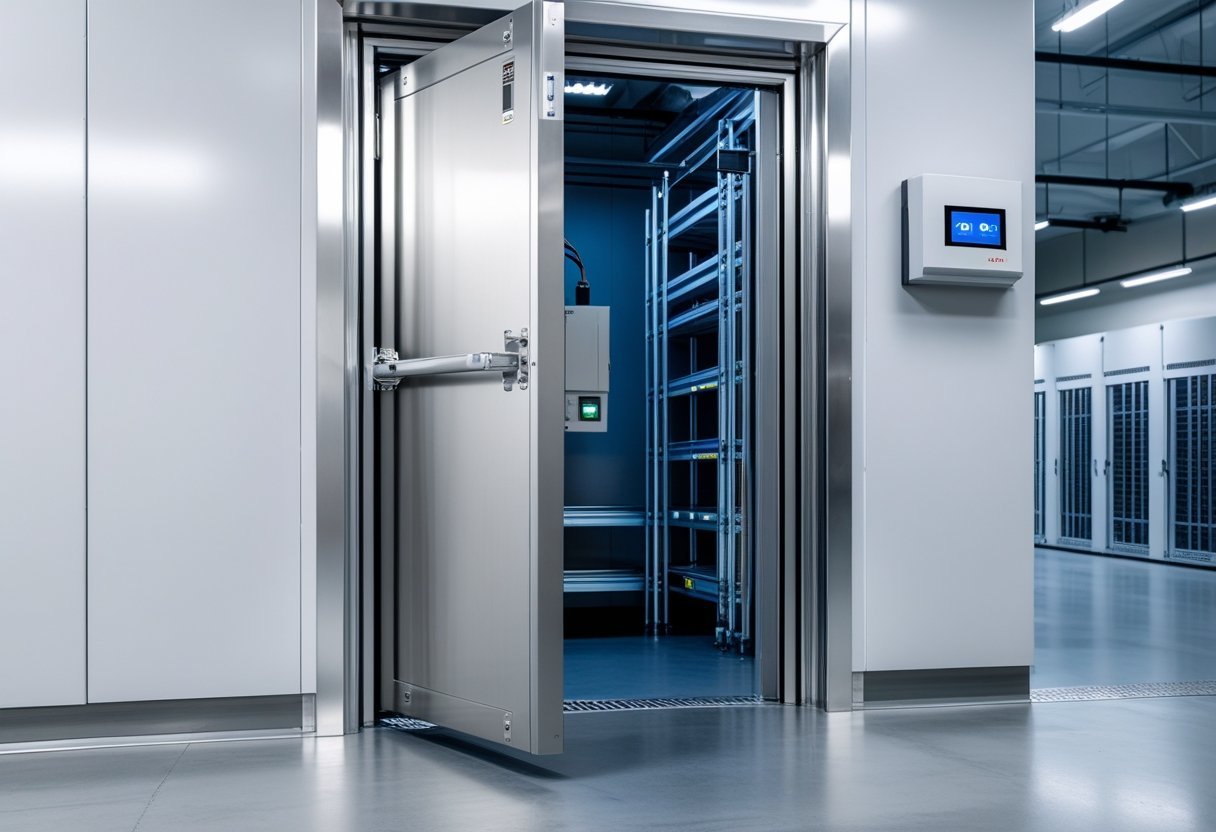
Getting It Right in Pharmaceutical and Life Sciences
In pharma, it’s not just about cooling; it’s about integrity. A single temperature deviation can compromise an entire batch worth millions. Here, the CDU is part of a validated system.
First, site prep is everything. The installation room needs to be cleaner than a typical utility space. You’re looking at controlled particulate levels, often with epoxy-coated floors and sealed walls to prevent contamination. Position the CDU with ample service clearance—at least 1 meter on all sides—but also consider its proximity to cleanroom walls. You don’t want maintenance traffic disrupting sterile corridors.
Piping is where most mistakes happen. For process cooling applications, you’ll likely be using pharmaceutical-grade stainless steel tubing. Orbital welding is the standard, not an option. Every weld must be documented and validated. Use passivation procedures after installation to restore the protective chromium oxide layer on all stainless steel surfaces. Forget plastic pipes for critical processes; they can leach contaminants.
When connecting to bioreactors or chromatography systems, use double tube sheet heat exchangers or a verified air gap to absolutely prevent cross-contamination between process fluid and cooling water. The control system integration is non-negotiable. The CDU’s temperature sensors and alarms must tie directly into the facility’s Building Management System (BMS) and, often, the batch record system. Data logging for audit trails is mandatory. You’re not just installing a cooler; you’re installing a piece of documented, traceable process equipment.
| Key Consideration | Pharmaceutical Specification | Why It Matters |
|---|---|---|
| Piping Material | 316L Stainless Steel, Electropolished | Prevents corrosion and bacterial growth; ensures purity. |
| Connection to Process | Double Tube Sheet HX or Air Gap | Eliminates risk of cross-contamination. |
| Control Integration | Direct BMS & Batch Record Integration | Provides full traceability and compliance with FDA 21 CFR Part 11. |
| Validation | Installation Qualification (IQ) / Operational Qualification (OQ) Protocols Required | Proves the system is installed and operates as designed. |
Food, Beverage, and Dairy: Where Hygiene Meets Uptime
Here, the enemy is bacteria, and downtime means spoiled product. CDUs often cool mixing tanks, pasteurizers, and filling machines. The primary focus is on hygienic design and cleanability.
For direct product cooling or systems where a leak could contact food, your CDU must use a food-grade glycol-water mixture. More importantly, the secondary loop plate heat exchanger that interfaces with the process must be designed for CIP (Clean-in-Place). That means easy disassembly, gaskets compatible with cleaning chemicals, and surfaces that can handle frequent washdowns.
Speaking of washdowns, the installation location must withstand them. Even if the CDU itself is in a separate plant room, humidity and occasional hose-downs happen. Ensure electrical components have a suitable IP (Ingress Protection) rating—IP55 or higher is a safe bet. Elevate the unit off the floor on a curb to prevent standing water from reaching the chassis.
Piping should be stainless steel again, but sanitary tubing with clamp fittings is common for the process side. Ensure all pipes are sloped correctly for complete drainage to prevent stagnant water. Insulation is critical, but it must be closed-cell, non-absorbent material with a proper jacket. You don’t want insulation soaking up moisture and becoming a mold factory.
Heavy-Duty Industrial and Automotive Applications
This is about brute force and resilience. In automotive plants, CDUs might cool laser welders, injection molding machines, or test benches. The ambient air is tough—filled with dust, oil mist, and metal particles.
Start with air filtration. Standard filters won’t cut it. Install the CDU in the cleanest area possible, and use heavy-duty intake filters. Check and clean them weekly at first to establish a schedule. Vibration is a major killer. These facilities shake. Do not simply place the CDU on the floor. Use anti-vibration pads or, better yet, seismic isolation mounts, especially if the unit is on a mezzanine or near stamping presses.
The heat load here is often dynamic and massive. Laser cutters can go from idle to full power in seconds. Your system design and piping must account for this. Ensure the primary chilled water supply has sufficient flow and pressure reserve. Pipe sizing is critical; undersized pipes create pressure drops that starve the machine of cooling just when it needs it most. Use ruggedized, industrial-grade sensors and connectors. The plastic ones from a data center kit will fail.
The Data Center Standard: Precision and Redundancy
This is the classic CDU home. Installation is about precision, scalability, and zero downtime. Rack placement is a calculated science. You’re working with hot aisle/cold aisle containment. The CDU must be positioned to optimize the flow of coolant to the in-row coolers or overhead busways. Piping runs should be designed with A/B redundancy in mind from the start. That means dual independent pathways, with valves allowing maintenance on one line without affecting the other.
Leak detection is non-negotiable. Install a conductance-based leak detection cable under all piping, especially above the raised floor where it snakes between servers. Connect it to a central alarm that can trigger an automatic shut-off valve. Noise is a factor in some edge data center locations. If the CDU is going into a repurposed office or retail space, discuss acoustic enclosures upfront.
The big trend is integration with DCIM (Data Center Infrastructure Management) software. During installation, factor in the network drops and communication protocols (like Modbus TCP or BACnet) needed to feed the CDU’s performance data—flow rates, temperatures, pump speeds, alarms—into the central monitoring system. This turns the CDU from a dumb box into a smart, actionable asset.
Power, Fluid, and Final Commissioning: The Universal Steps
No matter the industry, these steps can’t be botched.
- Power: This isn’t plug-and-play. You need a dedicated, properly fused circuit. Check the nameplate for voltage (e.g., 400V 3-phase) and inrush current. Use a soft starter or VFD if specified to avoid tripping breakers on startup. Ground it meticulously.
- Fluid Fill & Treatment: This is the system’s lifeblood. Never use untreated tap water. Start with a pre-mixed, inhibited glycol-water solution at your required concentration (e.g., 30% ethylene glycol for -10°C freeze protection). Fill slowly, venting air at all high points. A vacuum fill method is best for large systems to prevent air pockets. After filling, test the fluid’s pH and inhibitor level. Plan for annual fluid analysis.
- Commissioning: This is the signed, sealed test. Don’t skip it. It involves:
- Running each pump independently and checking amperage.
- Checking differential pressure across the circuit at design flow.
- Calibrating all temperature and pressure sensors against a trusted master gauge.
- Simulating failures (power loss, high temp) to verify alarm sequences.
- Running the system at 100% design load for a stabilization period (e.g., 24-48 hours) and documenting all parameters.
Get the client’s engineer to sign the commissioning report. This document is your handover receipt and the baseline for all future maintenance.
Professional Q&A
Q: What is the single most common installation error you see across all industries?
A: Improper system venting. Air trapped in the secondary loop is the top cause of reduced flow, noisy pumps, and inconsistent cooling. Always install automatic air vents at the highest points in the system and manual vent valves on every heat exchanger header. Purge the system thoroughly during filling.
Q: For a new automotive plant project in Southeast Asia with high ambient temps, should we oversize the CDU?
A: Not the CDU itself, but you must accurately size the entire system for the actual local design wet-bulb temperature, not just dry-bulb. The primary chiller plant must be specified for this. The CDU is a distribution device; its pump head and heat exchanger must be sized for the calculated load and pipe friction, but “oversizing” it won’t compensate for an undersized primary chiller. Focus on accurate total heat load calculation with a safety factor, then size each component correctly.
Q: We’re a distributor. How can we ensure our local contractors perform installations correctly?
A: Develop a strict “Installation Partner” program. Provide them with your detailed, industry-specific installation manuals and mandatory checklists. Require lead installers to attend your certified training (virtual or in-person). Make the release of the commissioning software password or the warranty validation contingent upon receiving a completed, photo-documented commissioning report that your team reviews. It’s about building a qualified network, not just selling boxes.
Q: With rising electricity costs in Europe, are variable speed drives (VSDs) on CDU pumps now a standard requirement?
A: For new installations in commercial and industrial settings, yes, it’s moving from a premium option to a baseline specification. A VSD can reduce pump energy consumption by over 60% compared to a fixed-speed pump throttled by a valve. The payback period is often under two years. For data centers chasing lower PUE, it’s already standard. Always include the cost-benefit analysis in your proposal.