
Energy-Smart Cooling: Top Units for Industry-Specific Needs
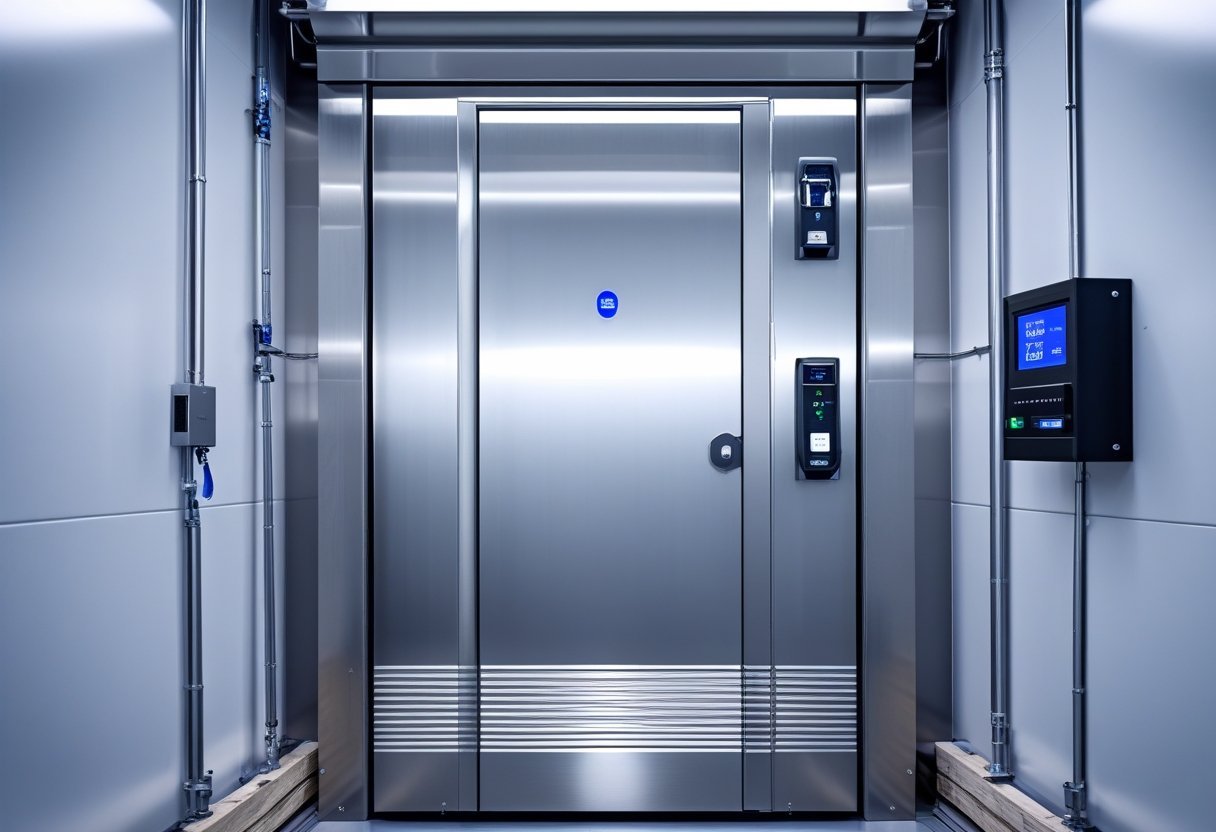
Let’s talk straight about cooling units and energy efficiency. For you, the B2B dealer or global trader, this isn’t just about “saving the planet” in a vague sense. It’s about hard numbers: reduced operational costs for your clients, meeting stringent international regulations, and winning bids with specs that outperform the competition. The right, efficient unit is the product that moves off your shelf and keeps your customers coming back. So, let’s cut through the noise and look at the top cooling solutions where efficiency meets real-world commercial and industrial demand.
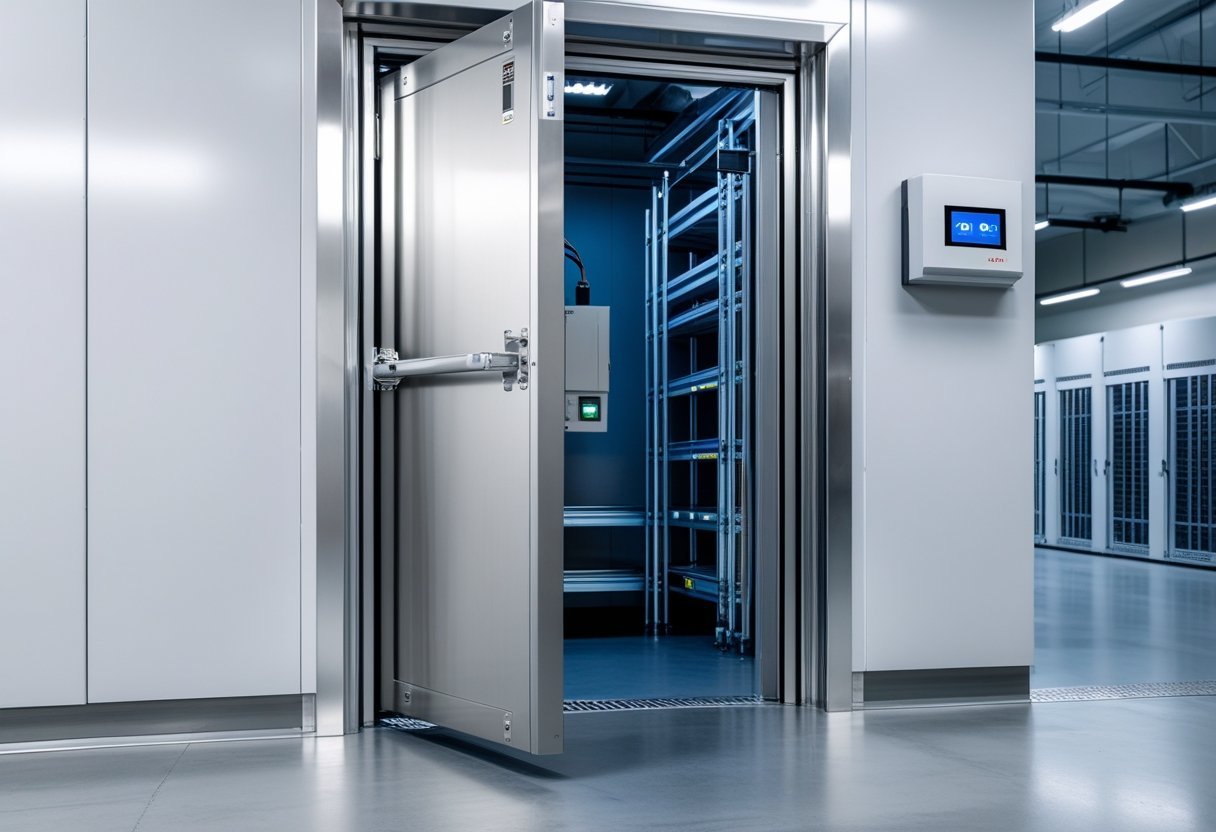
制造业与工业冷却设备
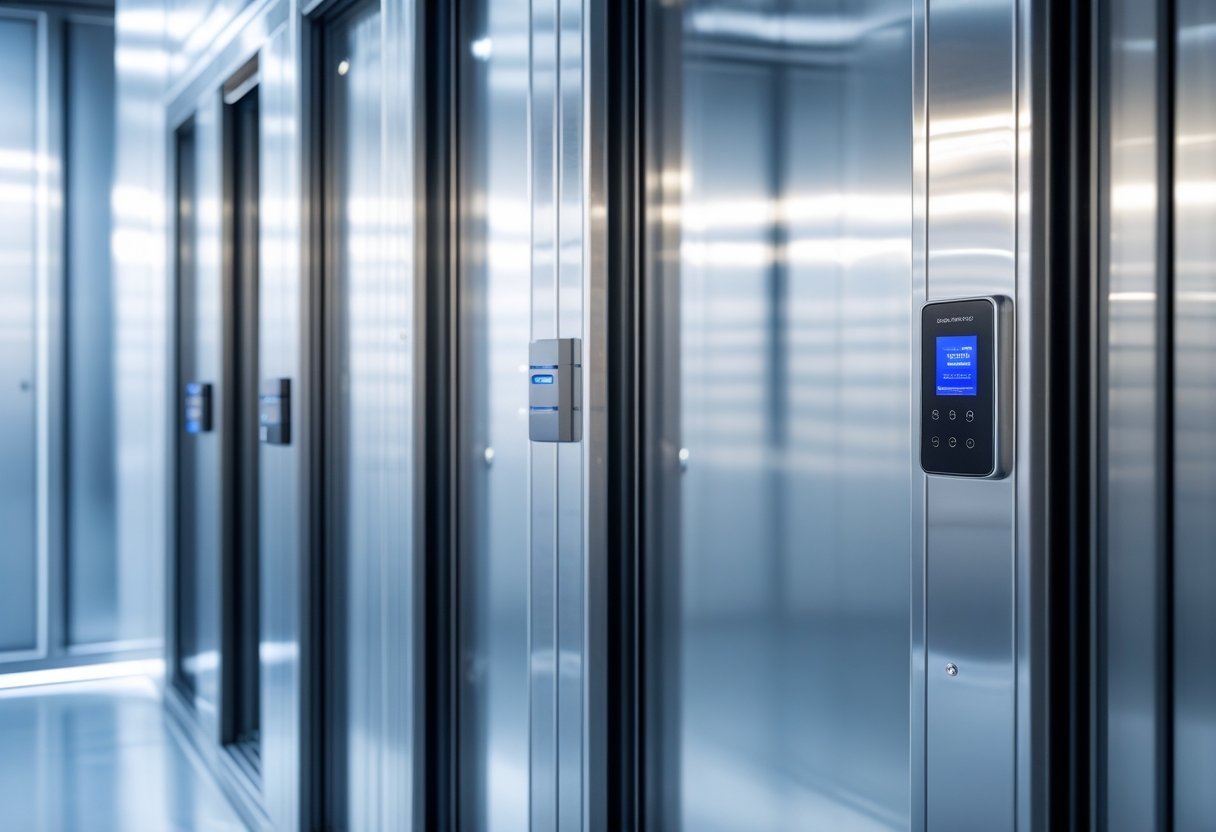
Walk into any large-scale manufacturing plant—plastic injection molding, metal fabrication, pharmaceutical production—and you’ll feel the heat. Process cooling isn’t a comfort; it’s a critical part of the production line. Here, efficiency translates directly to throughput and cost per unit.
The workhorses here are industrial chillers, and the champions of efficiency are variable-speed drive (VSD) screw and centrifugal chillers. Why? Because manufacturing loads are rarely constant. A fixed-speed chiller is like a car only able to run at 70 mph; it wastes a massive amount of energy when you only need 30. A VSD chiller adjusts its motor speed and compressor output precisely to the required cooling load. For a plant running 24/7, this can slash energy consumption by 30% or more compared to older models.
Then there’s the refrigerant itself. The global shift away from high-GWP refrigerants like R-410A is accelerating. Your clients in the EU, North America, and many parts of Asia are now demanding units with next-gen refrigerants like R-513A, R-32, or R-454B. These have significantly lower environmental impact and often better thermodynamic properties, leading to higher real-world efficiency. For a trader, stocking units with these future-proof refrigerants isn’t optional; it’s essential for market access.
Let’s look at a real case. A textile dyeing factory in Vietnam replaced its decade-old fixed-speed chillers with modern VSD centrifugal units using R-513A. Their monthly energy bill for cooling dropped by 40%. For you, the dealer, that’s the killer sales point: a payback period of under 2 years on the capital investment.
医疗冷链的关键角色
This sector has zero tolerance for failure. From vaccine storage and plasma banks to pharmaceutical labs and hospital HVAC, precision and reliability are non-negotiable. Energy efficiency here is achieved through exceptional stability, not just raw power output.
Top units for this field are precision air conditioners and medical-grade refrigeration systems. Their efficiency secret lies in advanced compressor technology (often scroll or digital scroll compressors for their quiet, reliable operation) and sophisticated microprocessor controls. These systems maintain temperature and humidity within a razor-thin margin, say ±0.5°C and ±5% RH. This precise control prevents the system from short-cycling or overworking—two major energy wasters.
For blood bank refrigerators or ultra-low temperature (ULT) freezers, the focus is on superior insulation (vacuum insulated panels, VIPs), high-efficiency condensers, and dual-cascade refrigeration systems for ULT models. A -80°C freezer is inherently energy-intensive, but the latest models from top manufacturers consume nearly 50% less energy than units from just five years ago. For a hospital network procuring hundreds of units, that’s a staggering operational saving.
The data point you need? Look at the ENERGY STAR® certification for medical refrigeration. Units that meet this standard typically use 40-60% less energy than conventional models. When bidding for a government or institutional healthcare contract, having products with this certification is frequently a mandatory requirement.
商业零售空间的智能温控
Think supermarkets, convenience stores, restaurants, and data centers. Here, cooling battles heat generated by people, lighting, and most critically, equipment. The efficiency game is about smart integration and heat recovery.
For supermarkets, the leader is the distributed refrigeration system using variable-speed compressors in condensing units, paired with electronically controlled (EC) fans in display cases. The latest trend is the use of CO2 (R-744) as a refrigerant in transcritical booster systems for colder climates. While the initial investment is higher, the system’s overall efficiency, especially in heat recovery (which can provide free hot water for the store), makes it a top choice for eco-conscious retail chains in Europe and Canada.
In restaurants, self-contained refrigeration like reach-in coolers and freezers have seen a revolution with the adoption of LED lighting, improved door gaskets, and high-efficiency DC inverter compressors. A modern energy-efficient reach-in can use half the electricity of a standard model from a decade ago.
But the real brain is the building management system (BMS). The top cooling units for commercial spaces are those that can communicate. An inverter-driven VRV/VRF system for office or retail space HVAC, or a networked refrigeration system for a supermarket, can be tied into a BMS. This allows for remote monitoring, predictive maintenance (preventing costly failures), and dynamic adjustment based on occupancy, weather, and time of day. You’re not just selling a box; you’re selling a node in an intelligent, energy-saving network.
Here’s a comparative snapshot of key systems:
| System Type | Best For | Key Efficiency Feature | Typical Energy Saving vs. Standard | Prime Markets |
|---|---|---|---|---|
| VSD Centrifugal Chiller | Large Plants, District Cooling | Load-matching via variable speed | 30-50% | Southeast Asia, Middle East, Industrial Hubs |
| CO2 Transcritical Booster | Supermarkets (Cold/Temperate Climates) | Heat Recovery for Hot Water | 10-25% (plus heat savings) | EU, Canada, Northern US |
| Inverter VRV/VRF | Office Buildings, Hotels, Retail | Zonal Control & Partial Load Performance | 25-40% | Global, especially urban developments |
| Precision AC with EC Fans | Data Centers, Labs, Server Rooms | Constant precise control, fan energy savings | 20-35% | Tech hubs globally |
| Medical ULT Freezer (-80°C) | Biobanks, Pharma Research | VIP Insulation & Cascade Systems | ~40-50% | North America, Europe, APAC research centers |
Professional Q&A
Q1: For a distributor, what’s the single most important certification to look for in an energy-efficient cooling unit for the European market?
A: The EU Energy Label and Ecodesign Regulation (ERP 2019/2018) are legally mandatory. Focus on units with high ratings (A+++ or the new rescaled A-G label). For chillers and VRV systems, the Eurovent Certification is a key industry benchmark for verified performance data. Having these is your ticket to the market.
Q2: Our client is a hotel chain concerned about both cooling costs and guest comfort. What’s a tangible solution?
A: Recommend an inverter-driven VRV/VRF system with individual room controls. Highlight the simultaneous heating/cooling feature: some rooms can be cooled while others are heated using the same system, recovering and redistributing heat energy. This can cut their total HVAC energy bill by up to 40% while allowing personalized guest comfort—a direct operational saving and a guest satisfaction boost.
Q3: Are “smart” or IoT-connected cooling units just a gimmick, or do they offer real efficiency value for our B2B customers?
A: Real value, absolutely. For a dealer, it’s a service revenue stream. Smart connectivity allows for remote diagnostics, performance monitoring, and predictive maintenance. This prevents small issues from becoming big, costly failures and ensures the system always runs at its peak designed efficiency. You can offer managed service contracts based on this data. It turns a one-time sale into a long-term partnership.
Q4: With so many new “low-GWP” refrigerants, how do we advise clients who are confused about future-proofing their investment?
A: Keep it practical. Advise them based on their geographic location and local regulations. For global applicability, units using R-32 or R-454B are safe, efficient bets for air conditioning and heat pumps. For commercial refrigeration, CO2 (R-744) and R-290 (propane) are leading sustainable options, though installation codes are strict. The key message: avoid investing in new equipment using phased-out refrigerants like R-410A; it will complicate servicing and devalue the asset sooner.